Product Description
Skip to content
You said:
TUSSAR DOLABEDI SAREE PRODUCT INFORMATION
ChatGPT said:
A Tussar Dolabedi Saree combines the traditional charm of Tussar silk with the rich weaving techniques of Dolabedi. Here's some key information about this saree:
Tussar Silk
Material: Tussar silk, also known as Kosa silk, is made from the silkworms of the genus Antheraea. It is valued for its rich texture and natural gold color. The fabric is known for its slightly coarse texture and matte finish.
Feel: It has a natural sheen that gives it a more understated elegance compared to regular silk.
Breathability: Tussar is a breathable fabric, making it ideal for hot and humid climates.
Dolabedi Weaving
Origin: Dolabedi is a specific style of weaving that originates from certain regions of India, particularly in the Odisha and Bengal areas.
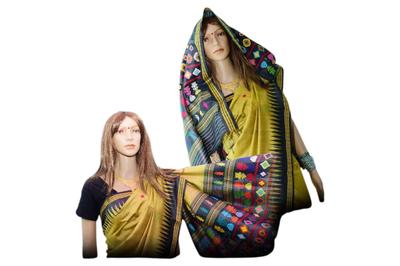
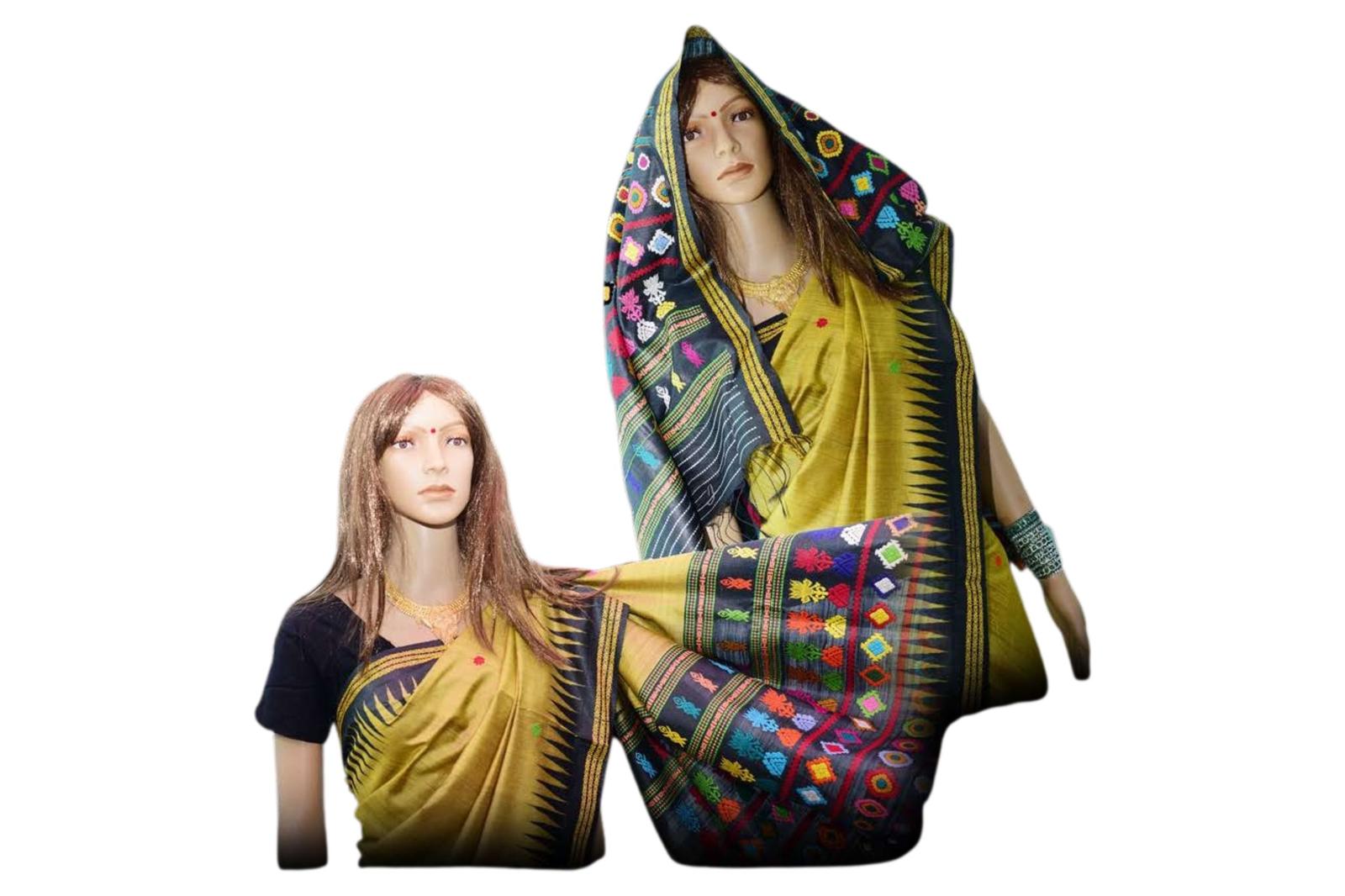
Designs: The Dolabedi weaving technique incorporates intricate and detailed motifs, typically inspired by nature, temple architecture, and local folklore. The designs are often woven using traditional handloom methods.
Patterns: You might see geometric patterns, paisley motifs, or traditional floral designs in the borders or pallu (the decorative end part of the saree).
Color Palette: Dolabedi sarees are known for their rich and vibrant color combinations, often blending deep reds, golden yellows, forest greens, or blues.
Features of Tussar Dolabedi Saree
Lightweight yet Elegant: The silk’s natural softness combined with the traditional weaving technique makes these sarees a popular choice for festive and traditional events.
Handwoven: Many Tussar Dolabedi sarees are handwoven, which gives them a unique, artisanal quality.
Durability: Tussar silk is durable, although it’s less lustrous than mulberry silk. It's also known for its rich texture, which adds depth and character to the fabric.
Pallu and Borders: The pallu (the end portion of the saree) and the borders are typically the focal point of a Dolabedi saree. They feature elaborate motifs that highlight the skill of the weavers.
Occasions to Wear
Festivals: Ideal for traditional festivals like Durga Puja, Diwali, or Sankranti.
Weddings: This saree is often worn by brides and guests at weddings, especially in regions where the handloom culture is valued.
Cultural Events: For classical dance performances, cultural showcases, or formal events.
Care Instructions
Washing: Dry clean is generally recommended for Tussar silk to maintain its texture and sheen.
Storage: Store it in a cool, dry place. It’s best to wrap it in cotton cloth to avoid direct exposure to sunlight.
Ironing: Iron on a low temperature, preferably with a cloth in between to avoid damaging the fabric